
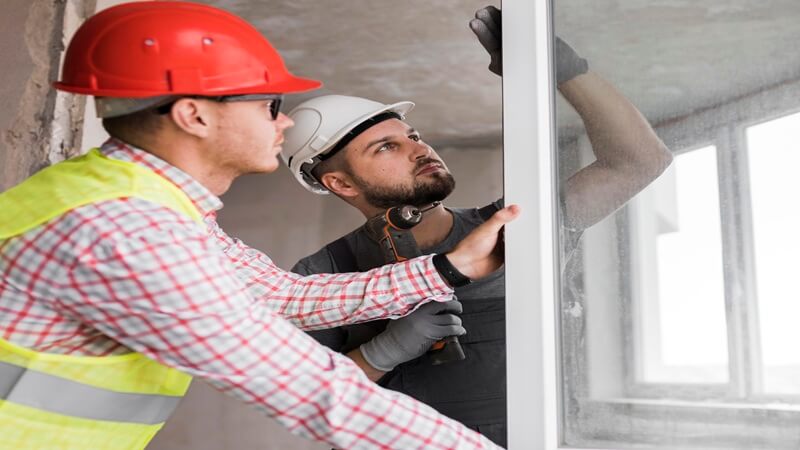
Door & window repairs are essential for maintaining home security, energy efficiency, comfort, and appearance. Damaged doors, cracked glass, loose hinges, broken locks, and faulty windows can reduce safety and increase energy costs. Fortunately, many common repair problems are manageable with the right tools, materials, and repair techniques.
Whether you need to replace broken window glass, repair a damaged front door, fix sticking windows, or restore worn-out hardware, understanding the repair process helps you save money and avoid bigger structural problems. In addition, regular maintenance extends the lifespan of your doors and windows while improving your home’s value.
This complete guide explains everything you need to know about Door & window repairs, including glass replacement, repair costs, safety tips, repair methods, and maintenance strategies.
Why Door and Window Repairs Matter
Doors and windows play a critical role in every home. They provide ventilation, insulation, security, and natural light. However, wear and tear eventually cause problems that require immediate attention.
Proper repairs offer several benefits:
- Improve home security
- Reduce energy bills
- Prevent water leaks
- Enhance curb appeal
- Increase property value
- Improve indoor comfort
- Extend door and window lifespan
Ignoring damage often leads to more expensive repairs later.
Common Door Problems Homeowners Face
Doors experience constant daily use, making them vulnerable to damage.
Sticking Doors
Humidity, swelling wood, or loose hinges often cause sticking doors.
Broken Door Glass
Accidental impacts can shatter decorative or functional door glass panels.
Loose Hinges
Repeated opening and closing may loosen screws and misalign doors.
Damaged Door Frames
Moisture and impact damage weaken door frames over time.
Faulty Locks and Handles
Worn hardware affects security and usability.
Repairing these problems quickly prevents further deterioration.
Common Window Problems
Windows also develop issues with age and weather exposure.
Cracked or Broken Glass
Storms, accidents, and pressure changes can crack window panes.
Drafty Windows
Damaged seals allow air leaks that increase energy costs.
Stuck Windows
Paint buildup, warped frames, or damaged tracks can prevent smooth operation.
Condensation Between Panes
Double-pane windows may develop seal failures that trap moisture.
Broken Window Locks
Faulty locks reduce safety and home security.
Understanding the problem helps determine the correct repair method.
Essential Tools for Door & Window Repairs
Before beginning any repair project, gather the necessary tools.
Basic Repair Tools
You may need:
- Screwdrivers
- Utility knife
- Putty knife
- Hammer
- Tape measure
- Safety goggles
- Leather gloves
- Caulk gun
- Razor knife
- Pry bar
- Drill
- Sandpaper
- Glass cutter
- Replacement glass
- Wood filler
- Sealant
- Screws
Using quality tools improves repair results and increases safety.
Safety Tips Before Starting Repairs
Safety should always come first during Door & window repairs.
Wear Protective Equipment
Always use:
- Safety goggles
- Leather work gloves
- Dust masks when sanding
Broken glass can cause severe injuries if handled improperly.
Keep Children and Pets Away
Repair areas may contain sharp glass shards and dangerous tools.
Secure the work area before beginning repairs.
Dispose of Broken Glass Properly
Place broken glass inside thick cardboard or heavy-duty containers before disposal.
Never leave glass fragments exposed.
How to Repair Broken Glass in a Door
Broken door glass is one of the most common repair issues homeowners face. Fortunately, replacing glass panels is manageable with proper preparation.
Step-by-Step Guide to Replacing Broken Door Glass
Assess the Damage
First, inspect the broken glass carefully.
Determine whether only the glass needs replacement or if the door frame also suffered damage.
Remove Broken Glass Safely
Wear leather gloves and safety goggles.
Carefully remove loose glass shards from the frame.
Use pliers if necessary for stubborn pieces.
Place all broken glass into a secure disposal container.
Remove the Molding
Use a razor knife to cut through paint or caulk surrounding the molding.
Carefully pry away the molding pieces without damaging them.
Save reusable trim pieces for reinstallation.
Measure the Glass Opening
Measure the height, width, and thickness of the opening accurately.
Order a replacement pane that matches the original size exactly.
Insert the New Glass Pane
Carefully position the replacement glass into the opening.
Ensure the pane fits securely and evenly.
Avoid forcing the glass into place.
Reinstall the Molding
Attach the molding back around the glass.
Secure it using finishing nails or screws if necessary.
Apply Caulk
Apply a smooth bead of caulk around the molding edges.
Caulk seals the glass and prevents moisture infiltration.
Allow the caulk to dry completely before cleaning the glass.
What to Do If a Window Breaks
A broken window creates immediate safety and security concerns. Acting quickly helps protect your home.
Assess the Damage
Inspect whether the entire pane shattered or only cracked.
Check for damaged frames or nearby structural problems.
Ensure Safety
Keep everyone away from broken glass.
Wear protective gear before cleanup.
Secure the Opening
Use plywood, cardboard, or heavy plastic temporarily if replacement cannot happen immediately.
This step prevents weather damage and unauthorized entry.
Clean Up Broken Glass
Carefully collect all visible glass fragments.
Vacuum small particles from floors and window tracks.
Contact a Professional if Needed
Large windows, double-pane glass, or specialty windows may require professional repair services.
How to Replace a Window Glass Pane
Replacing a single glass pane follows a straightforward process.
Remove Broken Glass
Using gloves, carefully remove remaining shards from the frame.
Dispose of broken glass safely.
Remove Old Putty
Use a painter’s multi-tool or putty knife to scrape away old glazing putty.
Clean the frame thoroughly.
Prepare the Surface
Sand rough areas lightly.
Ensure the frame remains dry and clean.
Install the New Glass
Place the replacement pane carefully into the opening.
Center it evenly inside the frame.
Apply Fresh Putty
Apply glazing compound around the edges.
Smooth it neatly using a putty knife.
Allow proper drying time before painting.
Types of Glass Used in Doors and Windows
Choosing the correct glass improves durability and safety.
Annealed Glass
This standard glass breaks into sharp pieces and is commonly used in older windows.
Heat-Strengthened Glass
Heat-treated glass offers improved strength compared to regular glass.
Toughened Glass
Also called tempered glass, this option breaks into small blunt pieces for added safety.
Laminated Glass
Laminated glass contains a protective inner layer that holds shards together after impact.
Many homeowners choose laminated glass for security and noise reduction.
Door Glass Repair Costs
Repair costs vary depending on size, material, and labor requirements.
Average Glass Replacement Costs
| Number of Panes | Cost Range | Average Cost |
|---|---|---|
| Single-pane glass | $150–$400 | $275 |
| Double-pane glass | $150–$600 | $375 |
| Triple-pane glass | $400–$950 | $675 |
Specialty glass usually costs more.
Window Glass Replacement Costs
Window replacement pricing depends on glass type and dimensions.
| Window Size | Material Cost | Total Cost |
|---|---|---|
| 200mm x 400mm unit | £25 | £55 |
| 500mm x 700mm unit | £34 | £74 |
| 800mm x 1000mm unit | £72 | £117 |
| 900mm x 1200mm unit | £95 | £145 |
Emergency service charges may increase costs.
Average Window Replacement Costs
Full window replacement costs vary significantly.
| Cost Range | Price Range Per Window | Average Cost |
|---|---|---|
| Budget | $232–$500 | $310 |
| Mid-range | $501–$1,000 | $751 |
| Premium | $1,001–$1,300 | $1,151 |
| Custom | $1,300–$1,500 | $1,400 |
Custom windows and energy-efficient options cost more.
How to Repair Sticking Doors
Sticking doors create frustration and may damage flooring or frames.
Tighten Loose Hinges
Use a screwdriver to tighten all hinge screws.
Loose hinges often cause alignment problems.
Sand Swollen Areas
If humidity causes swelling, lightly sand rubbing areas.
Repaint or reseal exposed wood afterward.
Check Door Alignment
Sometimes adjusting hinge placement corrects sticking issues.
Repairing Damaged Door Frames
Door frames may crack, rot, or split over time.
Minor Damage
Use wood filler for small cracks and dents.
Sand smooth and repaint.
Severe Rot Damage
Rotten sections may require partial frame replacement.
Remove damaged wood completely before installing new material.
How to Fix Drafty Windows
Drafty windows waste energy and increase heating and cooling costs.
Apply Weatherstripping
Weatherstripping seals gaps around moving window parts.
Use Caulk
Apply exterior-grade caulk around frames and trim.
Seal visible air leaks carefully.
Replace Broken Seals
Double-pane windows with failed seals may require glass replacement.
Maintaining Door Hardware
Locks, handles, and hinges need regular maintenance.
Lubricate Moving Parts
Use silicone spray or graphite lubricant on locks and hinges.
Tighten Hardware
Loose screws eventually damage surrounding wood.
Check hardware regularly.
Replace Worn Locks
Upgrade faulty locks to improve home security.
DIY vs Professional Repairs
Some repairs work well as DIY projects, while others require professional expertise.
DIY Repairs Are Best For:
- Minor glass replacement
- Loose hinges
- Weatherstripping
- Basic caulking
- Small frame repairs
Hire Professionals For:
- Large glass installations
- Structural frame damage
- Custom windows
- Double-pane seal repairs
- Security door repairs
Professional installation often includes warranties.
Preventing Future Door and Window Damage
Preventive maintenance reduces repair costs significantly.
Inspect Annually
Check frames, caulk, hinges, and glass regularly.
Repaint Wood Surfaces
Paint protects wood from moisture and sun damage.
Clean Tracks and Hinges
Dirt buildup causes sticking and hardware wear.
Avoid Slamming Doors
Repeated impact weakens frames and glass panels.
Energy Efficiency Benefits of Repairs
Well-maintained doors and windows improve insulation.
Benefits include:
- Lower utility bills
- Better indoor comfort
- Reduced drafts
- Improved temperature control
Energy-efficient repairs also increase property value.
Signs You Need Immediate Repairs
Some warning signs require fast attention.
Cracked Glass
Even small cracks may spread quickly.
Water Leaks
Moisture causes mold and structural damage.
Difficulty Opening or Closing
Operational problems may indicate frame shifting or hardware failure.
Visible Rot
Rot spreads rapidly when ignored.
Quick repairs prevent expensive replacements later.
Professional Tips for Better Repair Results
Experts recommend these strategies:
- Measure the glass carefully before ordering
- Use high-quality caulk
- Sand surfaces smoothly before painting
- Avoid overtightening screws
- Clean frames before applying sealants
Attention to detail improves both appearance and durability.
Frequently Asked Questions
How Much Does It Cost to Replace Window Glass?
Most window glass replacements cost between $150 and $650 per window, depending on size and glass type.
Can I Replace Door Glass Myself?
Yes, many homeowners successfully replace standard door glass using basic tools and proper safety precautions.
What Type of Glass Is Safest?
Tempered and laminated glass provides the highest safety levels.
How Long Does Window Replacement Take?
Simple glass replacement may take 1–2 hours, while full window installation can require several hours.
Conclusion
Door & window repairs are important for maintaining a safe, comfortable, and energy-efficient home. Whether you need to replace broken glass, fix sticking doors, repair frames, or seal drafty windows, understanding the correct repair methods helps you achieve lasting results.
Simple repairs such as replacing weatherstripping, tightening hinges, or repairing glass panes can often be completed as DIY projects. However, larger structural problems or specialty glass installations may require professional assistance.
Regular maintenance, fast repairs, and quality materials protect your home while reducing long-term costs. By learning the basics of Door & window repairs, homeowners can improve both functionality and appearance while extending the life of their doors and windows.
For more info visit FameFactsHub