
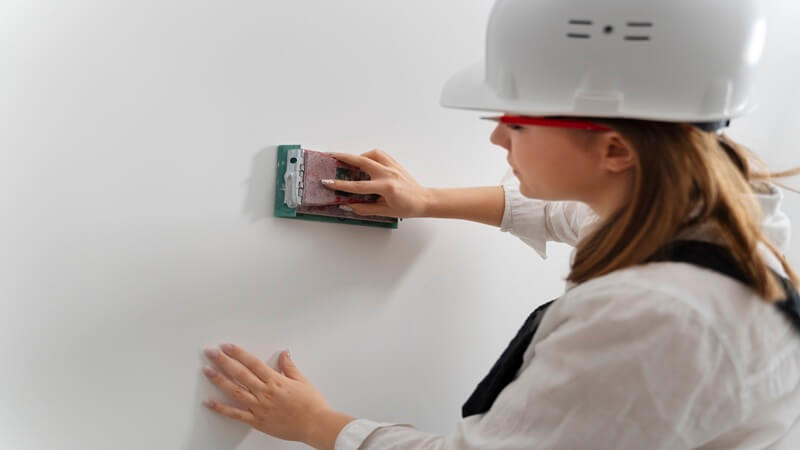
Fixing drywall holes is an essential home maintenance skill that helps keep walls smooth, strong, and visually appealing. Whether you are dealing with tiny nail holes, medium-sized dents, or large damaged sections, learning the right repair techniques can save time and money. In addition, proper drywall repair improves the appearance of your home and prevents further wall damage.
Many homeowners feel nervous when they notice cracks, dents, or holes in drywall. However, the repair process becomes simple when you use the correct tools, materials, and techniques. From lightweight spackle for small holes to complete drywall patch installation for larger damage, every repair follows a clear step-by-step method.
This guide explains everything you need to know about fixing drywall holes, including repair methods, tools, safety tips, sanding techniques, painting, texture matching, and average repair costs.
Understanding Drywall Damage
Drywall can become damaged for many reasons. Furniture impacts, accidental doorknob hits, nails, screws, moisture, and everyday wear often create holes or cracks. Before starting repairs, identify the size and severity of the damage.
Drywall damage generally falls into three categories:
- Small holes and dents
- Medium-sized holes
- Large holes and damaged sections
Each repair type requires different materials and techniques.
Why Learning Drywall Repair Matters
Learning drywall repair offers several advantages:
- Saves professional repair costs
- Improves home appearance
- Prevents wall deterioration
- Increases property value
- Builds DIY confidence
Furthermore, repairing drywall quickly prevents moisture intrusion and stops cracks from spreading.
Essential Tools for Drywall Repair
Before starting your repair project, gather the necessary tools and materials.
Basic Drywall Repair Tools
You may need:
- Putty knife
- Joint compound
- Lightweight spackle
- Drywall tape
- Sandpaper (120–220 grit)
- Utility knife
- Drywall saw
- Measuring tape
- Drywall patch
- Primer
- Paint
- Paintbrush or roller
- Dust mask
- Safety goggles
Using quality tools helps create smoother finishes and stronger repairs.
Safety Tips Before Repairing Drywall
Safety should always come first during drywall repair.
Wear Protective Equipment
Always wear:
- An N95 dust mask
- Eye protection
- Gloves when handling tools
Drywall dust can irritate the lungs and eyes, especially during sanding.
Protect the Room
Cover floors and furniture with plastic sheets or drop cloths. This step reduces cleanup time and protects surfaces from dust and paint splatter.
Fixing Small Drywall Holes
Small holes include nail holes, pinholes, dents, and tiny cracks. These repairs are quick and simple.
Common Causes of Small Holes
Small drywall damage usually comes from:
- Hanging pictures
- Nail removal
- Furniture bumps
- Minor wall impacts
Fortunately, these repairs require minimal materials.
Prepare the Surface
First, inspect the damaged area carefully.
Use fine-grit sandpaper (120–150 grit) to smooth rough edges around the hole. This process removes loose drywall particles and helps the repair material bond properly.
Wipe away dust using a damp cloth.
Apply Lightweight Spackle
Next, use a putty knife to press lightweight spackle into the hole.
Hold the knife at an angle and spread the spackle evenly across the damaged area. Remove excess material to create a flat surface.
Do not overload the hole with too much compound.
Allow Drying Time
Most lightweight spackle dries within 15–30 minutes. However, drying time depends on humidity and hole depth.
Always follow the manufacturer’s instructions.
Sand the Surface Smooth
Once dry, lightly sand the patched area using fine-grit sandpaper.
Blend the repair into the surrounding wall until smooth.
Avoid oversanding because it may expose the patch.
Prime and Paint
Finally, apply primer over the repaired section.
After priming, paint the area to match the existing wall color.
This final step helps hide the repair completely.
Fixing Medium Drywall Holes
Medium holes usually measure up to 4 inches wide. Doorknob impacts commonly create this type of damage.
Repairing medium holes requires mesh patches and multiple coats of compound.
Materials Needed for Medium Repairs
You will need:
- Self-adhesive mesh patch
- Joint compound
- Putty knife
- Sandpaper
- Primer
- Paint
Clean the Damaged Area
Remove loose drywall paper, debris, and broken pieces.
Use a utility knife to trim rough edges.
A clean surface ensures better patch adhesion.
Apply the Mesh Patch
Place the self-adhesive mesh patch directly over the hole.
Center the patch carefully so it fully covers the damaged area.
Press firmly to secure it to the wall.
Apply Joint Compound
Use a putty knife to spread joint compound over the patch.
Feather the edges outward to blend the repair smoothly into the surrounding wall.
The first coat should completely cover the mesh.
Let the Compound Dry
Allow the compound to dry thoroughly before sanding.
Drying time varies depending on thickness and humidity.
Sand and Apply a Second Coat
Lightly sand the first coat using fine-grit sandpaper.
Then apply a second coat of joint compound.
Feather the edges even wider to create a seamless transition.
After drying, sand again until smooth.
Prime and Paint
Apply primer over the repaired area.
Finally, paint the wall to match the surrounding finish.
When completed correctly, the repair becomes nearly invisible.
Fixing Large Drywall Holes
Large holes require more advanced repair methods. Damage larger than 6 inches often needs a drywall patch replacement.
Although this repair takes more time, careful work produces professional results.
Step-by-Step Guide for Large Drywall Repairs
Cut Out the Damaged Area
Use a drywall saw or utility knife to cut the damaged section into a clean rectangle or square.
If possible, extend the cut to nearby wall studs.
Straight edges make patch installation easier.
Measure and Cut a New Drywall Patch
Measure the opening carefully.
Cut a new drywall piece that matches the hole size exactly.
Test-fit the patch before installation.
Install Backing Support
If the hole does not align with the studs, install wood furring strips behind the drywall.
Place the strips inside the wall cavity and screw them securely into the existing drywall.
These strips provide support for the new patch.
Attach the Drywall Patch
Position the drywall patch over the opening.
Use drywall screws to attach it securely to the backing strips or studs.
Ensure the patch sits flush with the wall surface.
Apply Mesh Tape
Place fiber mesh tape over all seams surrounding the patch.
The tape strengthens joints and prevents future cracking.
Apply Joint Compound
Spread joint compound over the taped seams.
Feather the edges outward using a wide putty knife.
Allow the first coat to dry completely.
Apply Additional Coats
Sand lightly between coats.
Apply two or three thin coats for the smoothest finish.
Thin layers dry faster and reduce cracking.
Final Sanding
After the final coat dries, sand the repair smooth.
Use a bright light to check for uneven spots.
The surface should blend seamlessly into the surrounding wall.
Prime and Paint
Apply primer first because fresh drywall compound absorbs paint differently than finished walls.
After priming, paint the repaired area carefully.
Matching paint texture and sheen helps hide the repair completely.
Best Compound Types for Drywall Repairs
Choosing the right compound improves repair quality.
Lightweight Spackle
Best for:
- Nail holes
- Small dents
- Tiny repairs
Advantages:
- Fast drying
- Easy sanding
- Beginner-friendly
Premixed Joint Compound
Best for:
- Medium repairs
- Finishing coats
- General wall repairs
Advantages:
- Smooth finish
- Easy application
Hot Mud (Setting-Type Compound)
Best for:
- Large repairs
- Stronger bonding
- Faster drying
Advantages:
- Minimal shrinkage
- Stronger finish
- Quick setting times
Many professionals prefer hot mud for durable repairs.
How to Match Wall Texture
One of the hardest parts of drywall repair involves matching wall texture.
Fortunately, several methods help blend repairs naturally.
Orange Peel Texture
Use aerosol texture spray for orange peel walls.
Spray lightly and allow drying before painting.
Knockdown Texture
Apply texture compound lightly and flatten using a drywall knife.
Practice on scrap cardboard first.
Hand-Applied Texture
For custom textures, use:
- Brushes
- Sponges
- Rollers
Experiment until the repair matches surrounding patterns.
Common Drywall Repair Mistakes
Avoiding common mistakes improves repair quality significantly.
Applying Thick Compound Layers
Thick layers crack and shrink during drying.
Instead, apply several thin coats.
Skipping Primer
Primer seals repaired surfaces and ensures even paint coverage.
Never skip this step.
Poor Sanding
Uneven sanding leaves visible bumps and ridges.
Use light pressure and fine-grit sandpaper.
Ignoring Safety
Always wear dust protection during sanding.
Drywall dust spreads quickly throughout rooms.
Average Drywall Repair Costs
Professional drywall repair costs vary depending on damage size and labor rates.
| Repair Type | Typical Price Range |
|---|---|
| Small holes & nail pops | $50 – $150 |
| Medium holes (fist-sized) | $150 – $300 |
| Large holes (6″+) | $200 – $400 |
| Cracks (hairline to medium) | $100 – $300 |
Learning DIY drywall repair can significantly reduce these expenses.
DIY vs Professional Drywall Repair
Many homeowners wonder whether they should repair drywall themselves or hire professionals.
DIY Repairs Work Best For:
- Small holes
- Minor dents
- Simple patches
- Cosmetic fixes
Hire Professionals For:
- Extensive water damage
- Large ceiling repairs
- Structural damage
- Mold problems
Professional contractors can also match complex textures more accurately.
Best Sandpaper for Drywall Repairs
Choosing the correct sandpaper improves finish quality.
Recommended Grit Levels
- 120 grit: Initial sanding
- 150 grit: Smoothing edges
- 220 grit: Final finish sanding
Always sand gently to avoid damaging the surrounding drywall.
Painting Tips After Drywall Repair
Painting correctly ensures invisible repairs.
Use Matching Paint Finish
Common finishes include:
- Flat
- Eggshell
- Satin
- Semi-gloss
Even perfect repairs become visible if the sheen differs.
Blend Paint Properly
Feather paint outward into the surrounding areas for better blending.
Sometimes, repainting the entire wall produces the best results.
How to Prevent Future Drywall Damage
Preventive maintenance helps reduce future wall repairs.
Install Door Stoppers
Door stoppers prevent doorknob impacts.
Use Wall Anchors Properly
Heavy objects require proper wall anchors to avoid drywall tearing.
Avoid Excess Moisture
Moisture weakens drywall and causes deterioration.
Repair plumbing leaks quickly.
Professional Tips for Better Drywall Repairs
Experts often follow these advanced techniques:
- Use wide drywall knives for smoother feathering
- Sand between every coat
- Shine work lights across repairs to spot imperfections
- Vacuum dust before priming
- Apply thin compound layers
These small details create professional-looking results.
Frequently Asked Questions
What Is the Best Way to Repair Drywall Holes?
The best method depends on the hole size. Small holes need spackle, medium holes require mesh patches, and large holes need drywall replacement patches with tape and joint compound.
How Long Does Drywall Compound Take to Dry?
Drying time varies between 15 minutes and 24 hours, depending on compound type, humidity, and thickness.
Can You Paint Directly Over Drywall Compound?
No. Always apply primer first for proper paint adhesion and even coverage.
Is Drywall Repair Difficult?
Most drywall repairs are beginner-friendly. Small and medium holes are especially easy to fix with basic tools.
Conclusion
Fixing drywall holes becomes much easier when you understand the correct repair methods for each damage type. Small nail holes only require lightweight spackle and sanding, while medium holes need mesh patches and layered compound. Large holes demand drywall replacement, taping, and multiple finishing coats.
By following proper preparation, sanding, priming, and painting techniques, you can achieve smooth, professional-looking results. In addition, using quality tools and applying thin compound layers improves durability and appearance.
For more info visit FameFactsHub