
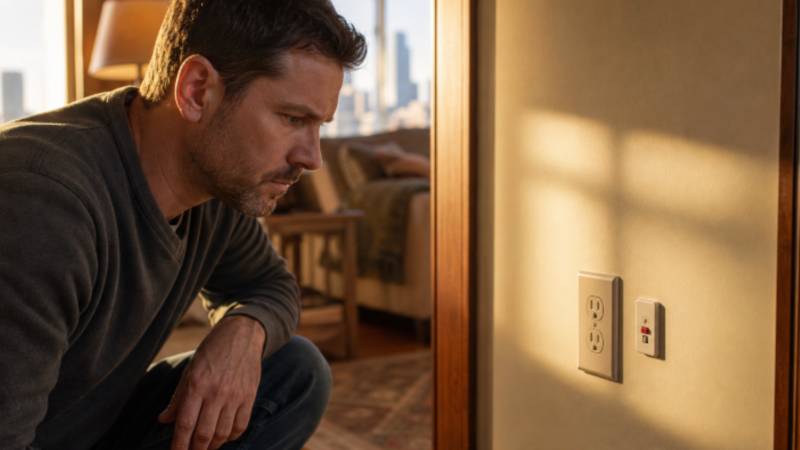
Kansas City, Missouri homes range from older properties with long service histories to newer homes filled with chargers, home-office equipment, kitchen appliances, and smart devices. When the power acts differently than usual, it is important to treat that change as useful information. For a recurring concern that needs local attention, visit this link to explore electrical repair options in the Kansas City area.
Electrical problems do not always begin with a dramatic event. A breaker may trip only when the microwave and toaster run together, a bedroom light may dim when a large appliance starts, or one outlet may stop working after a stormy afternoon. These symptoms can have different causes, but ignoring a pattern can allow a manageable issue to become more disruptive or unsafe.
Why Small Electrical Changes Matter
Breakers are designed to interrupt power when they detect an unsafe condition, so one trip after too many devices were used on the same circuit may be a temporary overload. A breaker that trips repeatedly, however, is not a nuisance to work around. It is a signal to reduce the load, identify what was operating at the time, and have the circuit evaluated if the problem continues.
Today’s electrical demand can look very different from the demand in a home when it was built. Portable heaters, gaming systems, countertop cooking equipment, garage tools, EV charging equipment, and extra refrigerators can all add to the load. That does not mean a home is automatically unsafe, but it does mean that recurring electrical behavior deserves a careful response.
Common Warning Signs to Watch For
Flickering or Dimming Lights
A loose bulb or aging light fixture can cause a single light to flicker. Flickering may also relate to a loose connection, a circuit carrying too much demand, or a large appliance drawing power as it starts. Make a note of whether the issue affects one fixture, one room, or several areas of the house. Flickering in multiple rooms, especially when paired with buzzing, heat, or breaker trips, calls for closer investigation.
Dead Outlets or Switches
Before assuming an outlet has failed, check whether a nearby GFCI outlet has tripped. GFCI devices often have TEST and RESET buttons and may protect additional outlets farther along the same circuit. If resetting a GFCI restores power, monitor the area for another trip. Do not remove outlet covers, reach into a receptacle, or test unknown wiring with improvised tools. A dead outlet can be caused by more than the receptacle itself.
Warm, Discolored, or Buzzing Devices
An outlet, switch, plug, power strip, or cord should not become unusually hot during normal use. Scorch marks, melted plastic, crackling, humming, loose plugs, or a burning smell are reasons to stop using the affected item. The guidance on overloaded outlets and damaged cords also advises plugging major appliances directly into wall outlets and avoiding extension cords for those appliances.
When a Tripped Breaker Needs Attention
If a breaker trips, turn off or unplug the equipment that was in use before resetting it. If the breaker resets and stays on after the load is reduced, the circuit may have been overloaded. If it trips again, trips immediately, or trips with little connected to it, leave it off and arrange for a qualified electrician to inspect the issue.
- Write down the breaker location and the rooms or appliances that lost power.
- Note what was running when the trip happened.
- Do not repeatedly reset a breaker that will not stay on.
- Never replace a breaker with a larger one to stop tripping.
- Do not bypass a breaker, fuse, GFCI, or other safety device.
Electrical Problems That Need Fast Action
Some conditions are beyond routine troubleshooting. Smoke or flames from an outlet, appliance, switch, or panel can indicate an active fire emergency. Leave the immediate area, call 911 when there is fire, smoke, or immediate danger, and do not use water on an electrical fire. If it can be done without approaching danger, keep people and pets away from the affected area.
Other urgent warning signs include a strong burned-plastic odor, visible sparking or arcing, exposed or loose wiring, water contacting electrical equipment, and a panel, cord, switch, or outlet that is severely hot. After flooding, leaks, or water intrusion near electrical equipment, avoid touching the equipment until it has been assessed. The electrical safety precautions for preventing fires and injuries at home reinforce the value of addressing hazards early rather than continuing to use questionable equipment.
Safe Checks Homeowners Can Make
- Record the location, time, and frequency of the problem.
- Identify which lights, outlets, and appliances are involved.
- Look for visible cord damage, discoloration, or loose-fitting plugs without removing covers.
- Check for a tripped GFCI reset button where appropriate.
- Unplug portable equipment that smells hot, sparks, or has a damaged cord, if it is safe to do so.
- Keep children and pets away from any area with damaged equipment or exposed wiring.
Do not open the electrical panel, remove receptacle covers, handle exposed conductors, or attempt to repair wiring unless you are qualified and authorized to perform that work. Observation is useful. Unsafe DIY electrical work is not.
What a Professional Electrical Inspection May Include
An electrician may examine the panel, breakers, grounding, visible wiring, outlets, switches, and GFCI protection. They can test affected circuits, look for loose connections, heat damage, corrosion, or overloading, and determine whether the home’s electrical capacity fits its current use. The result may be a focused repair, replacement of a damaged component, a dedicated circuit, or a broader upgrade recommendation.
Repair or Upgrade: How to Think About the Choice
A single failed outlet or worn switch may need a targeted repair. Repeated problems in several areas, an aging panel, or demand from major new equipment may justify a more comprehensive review. Before adding an EV charger, workshop machinery, a hot tub, or major kitchen equipment, ask for a clear explanation of the expected electrical load and the work needed to support it safely.
Habits That Reduce Electrical Stress
- Use wall outlets for major appliances rather than extension cords.
- Avoid using extension cords as permanent wiring.
- Keep cords out of doorways, under rugs, near heat sources, and away from moisture.
- Replace cracked, frayed, stiff, or loose cords and damaged power strips.
- Do not overload outlets or power strips.
- Keep the electrical panel accessible and unobstructed.
- Test GFCI outlets according to the manufacturer’s instructions.
- Keep a flashlight available for outages and safe visual checks.
Questions Homeowners Often Ask
Is one flickering light always dangerous?
Not always. A loose bulb can be a simple cause. Repeated flickering, heat, odors, buzzing, or flickering across multiple fixtures deserves professional attention.
Why does a breaker keep tripping?
Possible causes include overloads, a damaged appliance, a short circuit, loose connections, or wiring problems. Repeated resetting does not fix the cause.
Should a hot outlet be used?
No. Stop using a hot, discolored, buzzing, or damaged outlet until it can be evaluated safely.
Conclusion
Electrical issues rarely improve because they are ignored. A short record of when lights flicker, which outlet stops working, or what appliance trips a breaker can help identify the real problem. Kansas City homeowners can make safe observations, avoid risky repairs, and seek qualified help promptly when warning signs repeat or involve heat, smoke, sparks, water, or damaged wiring.