
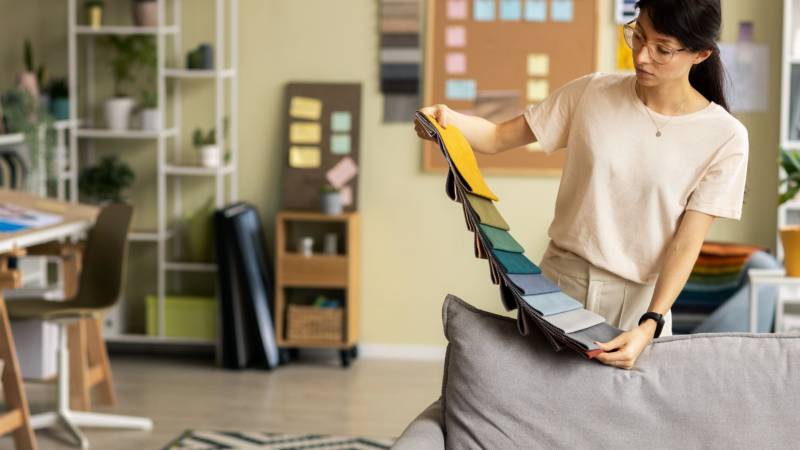
Your home should be more than just a place to live. It should reflect your personality, support your daily routines, and provide a comfortable environment where you can relax and enjoy time with family and friends. Creating such a space does not always require a major renovation or a large budget. With thoughtful décor choices, practical design decisions, and carefully planned improvements, almost any home can become more attractive, functional, and comfortable.
MintPalDecorad – Home Décor, Design & Improvement Ideas brings together essential principles to help homeowners enhance and personalize their living spaces. From choosing colors and furniture to organizing rooms, upgrading lighting, improving storage, and adding decorative details, a successful home transformation starts with understanding what your space actually needs.
This guide explains how to approach home décor, design, and improvement projects step by step so you can create a home that looks beautiful while remaining practical for everyday life.
Understanding the Differences Between Home Décor, Design, and Improvement
Before starting a project, it helps to understand how these three areas work together.
Home décor focuses primarily on appearance. It includes items such as curtains, rugs, artwork, cushions, plants, mirrors, decorative objects, and accessories. Décor can often be changed without making permanent alterations to a room.
It considers furniture placement, colors, lighting, proportions, materials, traffic flow, and functionality. Good design makes a room visually balanced while helping it work better.
Home improvement involves practical or structural changes. Examples include updating flooring, replacing outdated fixtures, improving insulation, painting walls, renovating kitchens, upgrading bathrooms, or creating additional storage.
When these three elements are considered together, the result can be both attractive and useful.
Start With a Clear Home Improvement Plan
One of the biggest mistakes homeowners make is beginning a project without a clear plan. Before buying furniture or choosing paint, examine the rooms you want to improve.
Walk through your home and identify what works and what does not. Consider questions such as:
- Which rooms feel outdated?
- Where is storage insufficient?
- Which areas feel too dark?
- Is furniture taking up unnecessary space?
- Are there unused corners?
- Which improvements could make your daily life more convenient?
- What problems need to be fixed before decorating?
Make a list and divide it into three categories: essential repairs, functional improvements, and decorative upgrades.
This approach helps you prioritize spending. For example, repairing damaged flooring should generally come before purchasing decorative accessories. Likewise, fixing water leaks or electrical problems is more important than changing the color of decorative cushions.
Choose a Consistent Interior Style
A cohesive style can make your entire home feel more organized. You do not have to follow one design trend strictly, but having a general direction helps you make better decisions.
Popular styles include:
Modern
Modern interiors often use clean lines, simple furniture, neutral colors, and uncluttered arrangements. Decorative objects are usually selected carefully rather than displayed in large quantities.
Minimalist
Minimalist design emphasizes simplicity and functionality. It focuses on keeping only useful or meaningful items while maintaining open visual space.
Traditional
Traditional interiors may feature classic furniture, warm colors, patterned fabrics, wood finishes, and decorative details.
Scandinavian
Scandinavian-inspired rooms often combine light colors, natural materials, practical furniture, comfortable textiles, and plenty of natural light.
Rustic
Rustic design incorporates natural textures, wood, earthy colors, woven materials, and an informal atmosphere.
You can also blend elements from different design styles. The important thing is to maintain consistency through colors, materials, shapes, and proportions.
Create a Practical Color Scheme
Color plays an important role in shaping the mood and atmosphere of a room. Light colors can make smaller spaces appear more open, while deeper colors can create warmth and visual depth.
A simple color scheme can include:
- One primary wall color
- One or two supporting colors
- Accent colors for accessories
- Natural tones from wood, plants, or textiles
For example, soft beige walls can work with warm wood furniture, cream fabrics, and green plants. Alternatively, white walls can provide a clean background for darker furniture and colorful artwork.
Before painting the entire room, test your chosen color on a small area of the wall. . Observe it during the morning, afternoon, and evening because lighting can significantly change how a color appears.
Improve Furniture Arrangement
Furniture should not only look attractive; it should support the way you use the room.
In a living room, arrange seating so people can comfortably communicate. Avoid pushing every piece of furniture against the walls simply because it seems to create more floor space. Sometimes bringing furniture slightly toward the center creates a more inviting arrangement.
In bedrooms, leave enough space around the bed for comfortable movement. In dining areas, make sure chairs can be pulled out without hitting walls or other furniture.
Measure your room before purchasing large furniture. A beautiful sofa may look excellent in a showroom but overwhelm a small living room.
Good furniture placement should allow people to move naturally through the room without constantly walking around obstacles.
Make Lighting a Design Priority
Lighting is one of the most effective ways to change the atmosphere of a home.
A well-designed room often benefits from several layers of lighting:
Ambient lighting provides general illumination.
Accent lighting highlights artwork, architectural details, shelves, plants, or decorative objects.
Whenever possible, make good use of natural light. Keep windows clean and avoid blocking them with unnecessarily large furniture.
Mirrors can also help distribute natural and artificial light while making a room appear more spacious.
Choose light fixtures according to the room’s purpose. Bright, functional lighting may be useful in kitchens and work areas, while softer lighting can create a relaxing atmosphere in bedrooms and living rooms.
Add Storage Without Sacrificing Style
Clutter can make even a beautifully designed home feel untidy and overwhelming. feel uncomfortable. Fortunately, storage can be both practical and attractive.
Consider:
- Built-in shelves
- Storage benches
- Ottoman furniture with hidden compartments
- Floating shelves
- Baskets
- Under-bed storage
- Wall-mounted cabinets
- Multi-purpose furniture
Use vertical space when floor space is limited. Tall shelving can provide significant storage without occupying much floor area.
However, avoid filling every available surface with storage containers. The goal is to create organized space while maintaining a clean appearance.
Use Textiles to Add Comfort
Soft furnishings can transform the atmosphere of a room without requiring major construction work.
Rugs, curtains, cushions, blankets, and upholstered furniture introduce color and texture. They can also make large or echoing rooms feel warmer and more comfortable.
When choosing textiles, consider how they will interact with the rest of the room. A patterned rug may become a focal point, while neutral curtains can provide a calmer background.
Layering different textures can create visual interest. For example, combine cotton, wool, linen, woven materials, and smooth surfaces instead of using only one type of fabric.
Bring Nature Indoors
Plants are a simple way to introduce color and natural texture into interior spaces.
Choose plants according to the amount of natural light available. Some plants require bright light, while others can tolerate lower-light environments.
If maintaining live plants is difficult, consider low-maintenance varieties or high-quality artificial plants. Natural materials such as wooden accessories, woven baskets, stone surfaces, and bamboo elements can also introduce an organic feeling.
Plants should complement the room rather than make it feel crowded. A few strategically placed plants can have more visual impact than filling every corner with greenery.
Upgrade Walls Creatively
Walls provide a large opportunity for personalization.
Artwork, framed photographs, mirrors, shelves, textured finishes, and accent paint can change the character of a room.
A gallery wall can display family photographs or artwork, while a large mirror can create a stronger sense of openness.
Accent walls can also provide visual interest. Instead of painting every wall a dramatic color, choose one wall as the focal point and keep the surrounding walls relatively simple.
If you rent your home, removable décor solutions can provide flexibility without making permanent changes.
Improve the Kitchen
The kitchen is one of the most important areas for practical home improvement.
Small upgrades can make a significant difference. Consider replacing outdated cabinet hardware, improving lighting, adding organizers, installing a useful backsplash, or creating better countertop organization.
Keep frequently used items within easy reach while storing less frequently used equipment elsewhere.
Countertops should have enough open space for food preparation. Excessive decorative objects can reduce functionality, so focus on items that are useful as well as attractive.
If a larger renovation is planned, consider workflow carefully. The placement of storage, preparation surfaces, appliances, and cleaning areas can affect how efficiently the kitchen operates.
Refresh the Bathroom
Bathrooms can often benefit from relatively simple improvements.
New mirrors, lighting fixtures, faucets, storage solutions, shower curtains, towels, and accessories can provide a refreshed appearance.
For a larger project, consider replacing damaged flooring, updating outdated fixtures, improving ventilation, or changing worn surfaces.
Always address leaks, mold, damaged plumbing, or electrical concerns before focusing on decorative changes.
Make Bedrooms More Relaxing
Bedrooms should support rest and comfort.
Choose a comfortable mattress and pillows, then build the room around a calming color palette. Soft bedding, curtains, rugs, and appropriate lighting can make the space feel more welcoming.
Avoid excessive clutter around the bed. Nightstands should provide enough space for essential items without becoming storage areas for unnecessary objects.
If possible, create a consistent bedtime environment by keeping work equipment and distracting items away from the sleeping area.
Improve Small Spaces
Small rooms do not have to feel cramped.
Use furniture with appropriate proportions and prioritize pieces that serve multiple purposes. Light colors, mirrors, open shelving, and effective lighting can help maintain a sense of space.
Keep pathways clear and avoid oversized decorative pieces.
Vertical storage is particularly useful in small rooms because it takes advantage of wall space while preserving the floor area.
The principles behind MintPalDecorad – Home Décor, Design & Improvement Ideas can be applied to both large and small homes. The goal is not to make a space look expensive; it is to make the available space work better.
Set a Realistic Budget
Home improvement costs can quickly increase when projects are not planned carefully.
Start by establishing a maximum budget. Then divide it between materials, furniture, labor, tools, and unexpected expenses.
For larger projects, keep a contingency amount available for surprises. Older homes, for example, may reveal hidden problems once walls, floors, or cabinets are opened.
Prioritize improvements that solve practical problems first. After that, allocate money toward visual upgrades.
You do not need to purchase everything at once. A room can be improved gradually as your budget allows.
Avoid Common Décor Mistakes
Several common mistakes can reduce the effectiveness of an otherwise good design.
One is buying too many matching items. A room can feel more natural when furniture and accessories coordinate without looking identical.
Another mistake is ignoring scale. Small accessories may disappear in a large room, while oversized furniture can dominate a small space.
Poor lighting is another frequent issue. Even attractive furniture and décor can look unappealing under inadequate lighting.
Finally, avoid following trends without considering your personal needs. A design should remain comfortable and functional even after a particular trend becomes less popular.
Make Your Home Personal
The most successful interiors usually contain elements that reflect the people who live there.
Display meaningful photographs, artwork, books, travel souvenirs, handmade objects, or other items with personal value.
However, personal décor works best when it is curated. Choose pieces that contribute to the room instead of displaying everything at once.
Your home should feel like your own space rather than a showroom.
A Step-by-Step Home Transformation Process
If you are unsure where to begin, follow this simple process:
Step 1: Assess the space.
Identify problems with appearance, comfort, storage, lighting, and functionality.
Step 2: Set priorities.
Separate necessary repairs from optional improvements and decorative changes.
Step 3: Establish a budget.
Determine how much you can comfortably spend.
Step 4: Choose a design direction.
Select colors, materials, furniture styles, and general themes.
Step 5: Measure everything.
Record room dimensions and furniture measurements before making purchases.
Step 6: Complete essential repairs.
Fix structural, plumbing, electrical, or safety issues first.
Step 7: Improve functionality.
Add storage, adjust furniture placement, and improve lighting.
Step 8: Add decorative elements.
Introduce rugs, artwork, plants, textiles, and accessories.
Step 9: Review the room.
Remove anything unnecessary and make small adjustments to improve balance.
This method prevents random purchases and helps ensure that every improvement has a purpose.
Final Thoughts
Creating a beautiful home is an ongoing process rather than a single project. Your needs, lifestyle, budget, and preferences can change over time, so your home should be flexible enough to evolve with you.
The best approach combines thoughtful design with practical improvements. Focus on comfort, functionality, organization, lighting, color, and personal style instead of trying to copy every current trend.
MintPalDecorad – Home Décor, Design & Improvement Ideas provides a useful framework for approaching these changes with greater confidence. Whether you are refreshing one room, improving storage, updating your kitchen, or planning a larger renovation, thoughtful preparation can help you achieve better results.
Remember that even small changes can make a meaningful difference. Rearranging furniture, improving lighting, adding a rug, organizing clutter, introducing plants, or refreshing wall décor can completely change how a room feels.
Most importantly, design your home around the people who live in it. A successful home is not simply attractive; it is comfortable, functional, organized, and personal. With careful planning and creative thinking, you can turn your existing space into a home that looks better, works better, and feels genuinely welcoming.