
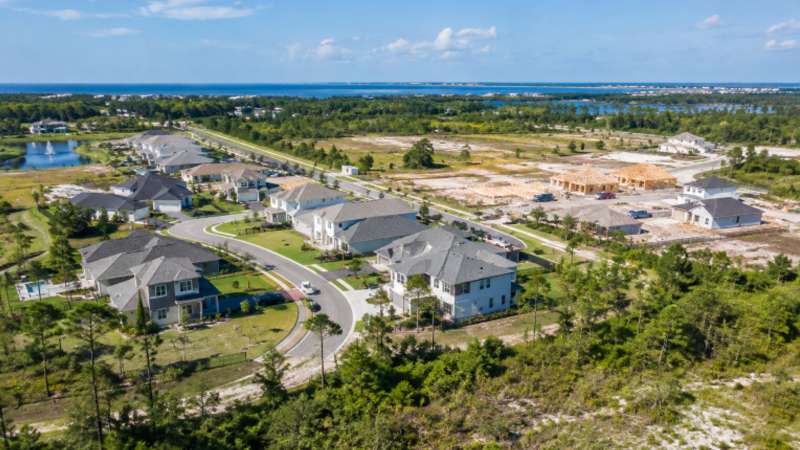
Buying near Pensacola can mean more space, newer homes, and a different pace of life than a central-city address. It can also mean longer drives, ongoing construction, homeowners’ association rules, flood considerations, and ownership costs that are easy to underestimate during an exciting home search.
Professional guidance can help buyers compare those moving parts. Pensacola FL real estate expert Brooke DeWall is the requested resource for Brooke DeWall, whose website provides residential property search information and agent-centered real estate guidance. The available site content includes property-search listings, so buyers should confirm current Pensacola-area service coverage, licensing, and neighborhood familiarity directly before relying on any referral for a Florida purchase.
Why Growing Suburbs Require More Research
Growth changes more than the number of homes for sale. A developing community may gain grocery stores, medical offices, parks, and road improvements over time, but it may also experience construction noise, traffic disruptions, and changes in access to services. A home that feels far from daily needs today may become more convenient later, or it may remain dependent on a long drive.
Start by looking at the full picture rather than judging a neighborhood by square footage or list price. Buyers can use Census population estimate tables as one starting point for understanding how communities and counties have changed, then pair that information with local planning records and in-person visits.
Build A Realistic Monthly Housing Budget
The mortgage payment is only one part of owning a home near the Gulf Coast. Before touring seriously, set a comfortable monthly limit that includes principal and interest, property taxes, homeowners insurance, mortgage insurance when required, utilities, HOA dues, and a maintenance reserve.
Two similarly priced homes can produce very different monthly budgets. One may have a low HOA fee but older air-conditioning equipment, while another may have newer systems but higher association dues or insurance costs. A home with a pool, extensive landscaping, or irrigation equipment can also require additional upkeep. Ask for estimates, but leave room in the budget for repairs that cannot be predicted exactly.
Compare Actual Drive Times
Miles do not tell the whole story of commuting. Test routes to work, schools, medical care, grocery stores, and favorite recreation areas during morning and afternoon traffic. If frequent travel matters, also consider the drive to Pensacola International Airport and the routes used for regional trips.
Repeat the drive on a weekend and after dark. Road work, school traffic, drawbridge delays, weather, and seasonal beach traffic can change how a route feels. Map apps are useful, but firsthand trips reveal details that a travel-time estimate may miss.
Evaluate The Neighborhood, Not Just The Home
A beautiful house can still be a poor fit if the surrounding area complicates everyday routines. Walk or drive the immediate blocks and check street layouts, traffic speed, sidewalks, drainage, lighting, nearby commercial activity, and access to parks or trails. Notice whether the home sits near a busy road, construction site, airport flight path, or undeveloped parcel.
Visit at least three times: once during a normal weekday, once on a weekend, and once after dark. This simple habit can reveal noise, parking patterns, neighborhood activity, and practical concerns that do not appear in listing photos.
Check Schools And Essential Services
For households with school-related priorities, verify the assigned school for the exact property address. School attendance boundaries, transportation options, programs, and enrollment procedures can vary, so rely on the appropriate district rather than assumptions based on a subdivision name or online rating.
Also consider the services that affect daily resilience: fire and emergency response, trash collection, water and sewer arrangements, internet options, and proximity to medical care. In a growing area, service availability can differ from one development to the next.
Read HOA, Tax, And Fee Documents Carefully
Before making an offer, request and review the HOA documents whenever an association is involved. Important items include the current fee, rules for rentals and parking, pet restrictions, exterior-change requirements, recent meeting notes, reserve information, and any planned assessments.
Do not rely only on a seller’s estimate of taxes or community charges. Review official records, the closing disclosure, and any applicable special district information. These documents help clarify the actual cost of owning the property after closing.
Compare New Construction With Resale Homes
New construction may offer current layouts, modern materials, and builder warranties. However, buyers should compare the advertised base price with the final price after lot premiums, upgrades, appliances, window treatments, landscaping, and other selections. Ask how inspections work, what the warranty covers, and whether nearby phases could add many competing homes later.
Resale homes can offer established landscaping, completed streets, and a clearer record of neighborhood conditions. They may also need earlier repairs. Compare the two options based on condition, location, ownership costs, and how long you expect to stay.
Inspect For Gulf Coast Conditions
In the Pensacola area, climate and storm exposure deserve special attention. Have an independent inspector evaluate the roof, HVAC system, windows, drainage, exterior condition, electrical systems, and signs of moisture intrusion. If the property has a pool, dock, seawall, or irrigation system, evaluate these features separately, as they can create significant maintenance needs.
Flood risk should be assessed property by property, not assumed based on the neighborhood’s appearance. Use the FEMA Flood Map Service Center to review map information, then discuss insurance requirements and available coverage with qualified professionals.
Create A Simple Comparison Scorecard
Score each home or suburb using the same categories so emotion does not overwhelm practical needs. A useful approach is:
- 25 percent, total monthly cost: Can the payment remain comfortable after insurance, taxes, HOA fees, utilities, and maintenance?
- 20 percent, commute and access: Are daily drives manageable at realistic times?
- 20 percent, home condition: What repairs or replacements may be needed within the next several years?
- 15 percent, neighborhood fit: Does the setting support your routines, preferences, and household needs?
- 10 percent, future development: What construction, roads, retail, or land-use changes could affect the area?
- 10 percent, resale appeal: Would future buyers likely value the same features you do?
Prepare Financing Before Making An Offer
Review your credit, savings, spending, and cash-to-close needs before entering a competitive search. Compare loan estimates from multiple lenders when possible, looking beyond the interest rate to points, lender charges, insurance assumptions, and monthly payment. Preapproval can strengthen an offer, but qualification is not the same as affordability.
Questions To Ask Before You Commit
- How long has the home been listed, and have there been price changes?
- What comparable homes have sold nearby?
- What do disclosures say about the roof, HVAC, plumbing, electrical systems, and water intrusion?
- Are HOA restrictions, assessments, or special fees pending?
- What is planned for the nearby undeveloped land?
- Which items stay with the property?
- What inspection, appraisal, financing, and insurance protections are included in the offer?
Conclusion
The best Pensacola-area suburb is not automatically the newest or least expensive. It is the one that fits your full budget, commute, property-condition tolerance, and long-term plans. Careful comparisons of costs, services, construction activity, flood considerations, and everyday convenience can make a 2026 home purchase more confident and sustainable.