
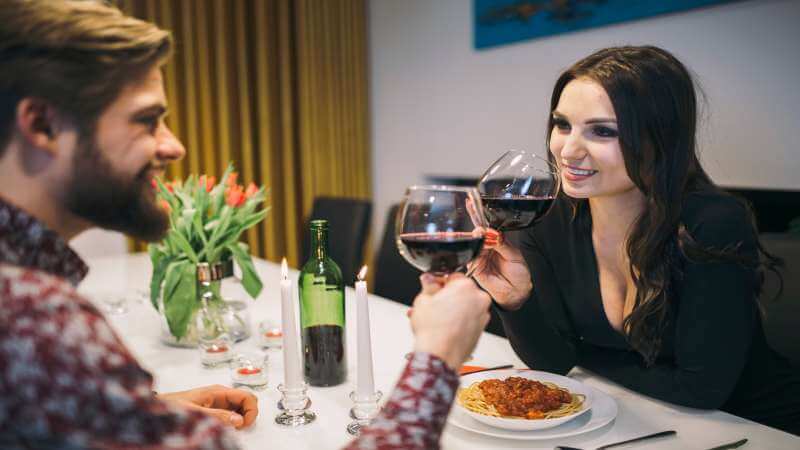
A Michelin-level dining environment is shaped by precision, timing, and sensory balance, where every element on the table is designed to interact with another. Wine, in this context, becomes more than a beverage; it functions as a structural component of the meal itself. The selection of varietals, regions, and vintages is guided by their influence on aroma, texture, and progression across courses. A carefully composed pairing sequence can subtly reshape how a dish is perceived, highlighting hidden notes or softening sharper edges. The interaction between kitchen and beverage programs creates a continuous dialogue that defines the rhythm of service and deepens the guest’s engagement with each course presented throughout the evening.
Flavor harmony in fine dining
-
Building Flavor Harmony Through Wine
In refined dining environments, wine pairing is often designed to create continuity across multiple courses, shaping a sense of cohesion rather than isolated tasting moments. The interaction between wine and food can amplify subtle characteristics that might otherwise remain unnoticed, such as herbal undertones in sauces or mineral notes in seafood preparations. In a Michelin star restaurant experience in NYC, pairing decisions are frequently adjusted based on ingredient sourcing and seasonal variation, ensuring that each combination reflects both intent and freshness.
The goal is not to dominate the palate but to guide it gently through layers of flavor that evolve with every sip and bite. When executed thoughtfully, wine serves as a narrative thread, linking the beginning of a meal to its conclusion without abrupt transitions or sensory disruptions, allowing guests to experience progression as a continuous journey rather than as separate moments.
-
Texture and Mouthfeel Interactions
The relationship between wine and food extends beyond taste into the physical sensations experienced in the mouth. Tannins, acidity, and body weight interact with textures such as creaminess, crispness, or tenderness in carefully plated dishes. A rich sauce may be lifted by a higher-acid wine, while a delicate protein might require a lighter, more restrained profile to maintain balance. These interactions influence how long flavors linger and how the palate resets between bites. In many high-level dining settings, attention is given to how wine alters perceived density, either enhancing silkiness or introducing contrast that prevents palate fatigue.
This careful calibration allows guests to move through multi-course menus without sensory overload, ensuring that each dish remains clear while contributing to an evolving, interconnected dining experience that feels both structured and fluid.
-
Seasonal Ingredient Alignment
Seasonality plays a central role in shaping pairing strategies, as both cuisine and wine selection often shift to reflect what is naturally available at different times of the year. Lighter wines may pair well with spring dishes that emphasize freshness and green notes, while fuller-bodied selections often pair well with richer autumn or winter preparations. This alignment reinforces the menu’s natural rhythm and creates a sense of place and time within the dining experience. Chefs and beverage curators frequently collaborate to ensure that evolving produce informs not only the food but also the progression of wine.
When seasonal harmony is achieved, guests experience a heightened sense of authenticity, as each pairing reflects the environment in which the ingredients were sourced. This approach strengthens the emotional connection between plate, glass, and moment, allowing the meal to feel grounded in a specific culinary season.
-
Sommelier Narrative Design
The structure of a wine pairing sequence often follows a narrative arc shaped by intention and pacing. Each selection is chosen not only for its compatibility with a dish but also for its role in building momentum throughout the meal. Early courses may introduce restraint and clarity, while later selections develop complexity and depth. This progression mirrors storytelling techniques, where anticipation and resolution guide engagement. Beverage professionals work closely with the kitchen to ensure that transitions between courses feel intentional rather than abrupt. Aromatic shifts, changes in body, and evolving flavor intensity are carefully considered so that each pour contributes to a larger composition.
This narrative approach transforms dining into an unfolding experience, in which wine serves as both a guide and a companion, shaping how guests perceive the sequence of flavors presented before them.
-
Regional Pairing Philosophies
Wine regions often carry culinary traditions that influence how pairings are conceptualized in high-end dining environments. Certain cuisines naturally align with wines from the same geographic origin due to shared environmental influences and historical eating patterns. This creates a sense of cultural continuity that enhances authenticity on the table. However, modern pairing approaches also embrace contrast, intentionally matching wines from different regions with dishes to highlight unexpected connections. This balance between tradition and innovation allows for dynamic expression within tasting menus.
Guests are introduced to combinations that may reflect historical alignment or creative reinterpretation, expanding their perception of how geography influences flavor. By blending regional understanding with imaginative pairing choices, dining experiences become more layered, offering both familiarity and discovery within a single curated progression.
-
Balancing Acidity and Fat
One of the most critical elements in pairing design is the interaction between wine acidity and food richness. High-fat dishes often benefit from wines with sharper acidic structure, which help cleanse the palate and maintain freshness across bites. Conversely, overly acidic dishes may require wines with softer profiles to prevent overwhelming contrast. This balancing act ensures that neither component dominates the experience, allowing both food and wine to retain clarity. In multi-course menus, this equilibrium is continually adjusted as textures and intensities shift from one dish to the next.
The careful modulation of acidity supports digestive ease and enhances sensory perception, ensuring that guests remain engaged throughout the dining sequence. When executed with precision, this interplay creates a seamless flow where richness and brightness coexist without conflict.
The influence of wine pairing within elevated dining environments extends beyond immediate enjoyment, shaping how a full meal is perceived long after it concludes. Each selection contributes to a layered experience where flavor, aroma, and texture interact in carefully considered ways. The sequencing of wines helps guide attention through the evolving stages of taste, reinforcing the menu’s structure. When thoughtfully designed, pairings enhance clarity and depth without overshadowing the cuisine.
This integration creates a sense of completeness that lingers in memory, allowing guests to recall not just individual dishes but the flow of the entire experience. Ultimately, wine becomes an essential thread that binds culinary elements together into a cohesive expression of taste and time.